Sen. Blakespear’s Legislation to Build More Interim Housing Passes Senate Committee
SB 967 takes aim at the state’s large unsheltered population by encouraging local governments to build more of the housing that can serve them immediately
SACRAMENTO – The Senate Housing Committee on Wednesday passed legislation by Sen. Catherine S. Blakespear, D-Encinitas, to incentivize cities and counties to create the housing that people struggling with homelessness can move into directly from living on the streets.
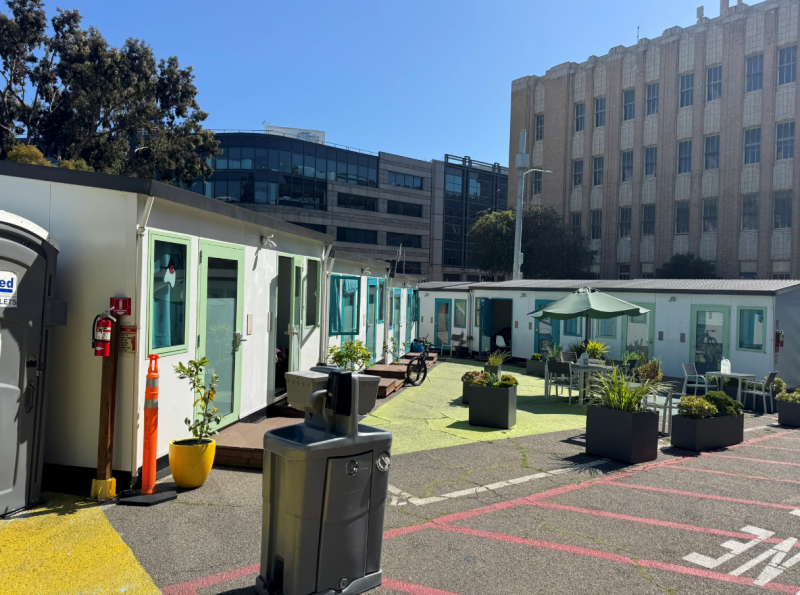
The category of “interim” housing – small, modular, quick-build units – has not been considered “housing” under the state’s housing planning process, known as Regional Housing Needs Allocation (RHNA). This exclusion has disincentivized cities and counties from planning for and investing in housing that can serve homeless individuals.
Interim housing has proven highly successful at reducing street homelessness in San Jose, and other communities that have produced it in large quantity. In San Jose, it has resulted in a 10 percent decrease in unsheltered homelessness.
However, because interim housing isn’t included in the standard definition of housing used by the state in RHNA, building it is not a priority for most local governments. SB 967 would change that.
“SB 967 encourages the building of interim housing that communities need, so people are not living in the streets or in our public spaces,” Sen. Blakespear said. “The first step of addressing California’s homeless crisis is providing places for people to sleep tonight, so they can begin to stabilize their lives.”
In California, more than 120,000 people do not have an indoor place to sleep on any given night. There are only two beds available for every five people who are homeless, due to the lack of shelters and housing, forcing them to sleep on the streets or in canyons and riverbeds.
SB 967 would make interim housing built to serve people who are homeless part of the long-term planning process for local governments to address the housing needs of people with little or no income. Interim housing can include shared sanitation and dining facilities, but separate and private sleeping quarters are required. Congregate shelters would not count as interim housing.
Local governments are required to plan to meet their communities’ housing needs through the state’s RHNA planning process. On an eight-year cycle, the state forecasts housing demand, and then quotas are assigned to each city and county.
Previous RHNA cycles did not target people who earn 15 percent or less of their area’s median income. Under SB 967, local governments would get credit for meeting their RHNA requirement for the lowest income category with interim housing.
SB 967 goes next to the Senate Appropriations Committee for consideration.
The Senate Housing Committee also passed Sen. Blakespear’s SB 866 and SCR 131. SB 866 requires all jurisdictions that do not receive Homeless Housing, Assistance and Prevention (HHAP) grants to include comprehensive homelessness data, strategies and regional coordination efforts in their housing elements. SCR 13 is a resolution declaring ending and preventing unsheltered homelessness an urgent need and calling on state and local governments to act on it.
Sen. Blakespear has fought for years to increase affordable housing, reduce homelessness and encourage all levels of government to do more to address the longstanding problem. She has advocated fiercely to build more interim housing to eliminate street homelessness.
In addition, Sen. Blakespear has also held three Ending Homelessness Summits, bringing together state and local leaders, policymakers, stakeholders and experts to find innovative solutions to homelessness.
Sen. Blakespear represents Senate District 38, which covers northern San Diego County and southern Orange County. To learn more about the district and Sen. Blakespear, visit her Senate website.