Fighting Climate Change, Other News from Sen. Blakespear
Greetings!
I attended Climate Week in New York City this week‚ and I was very impressed with the many thoughtful and innovative ideas I heard about how to address climate change. Climate Week is the world’s largest climate event and brings together more than 100‚000 people participating in over 1‚000 events!
What is exciting is that many people who were there are looking to California for leadership. That’s because the federal administration has worked hard to undercut climate initiatives‚ cripple clean energy efforts and roll back environmental protections. The federal administration’s approach is reprehensible and irresponsible.
California has always led on climate initiatives‚ in part because we have had to. We are experiencing the impacts of a changing climate in real time‚ from increasingly destructive wildfires and extreme heat to flooding and coastal erosion.
At the same time‚ California is the fourth‑largest economy in the world‚ bubbling with entrepreneurial spirit‚ start‑up capital‚ highly acclaimed universities and both public and private research and development.
That gives us both the imperative to find climate solutions – and the engine to generate them.
We must take action‚ to ensure the safety of our residents‚ protect the infrastructure that fuels our economy and prepare for the future. That is responsible‚ forward‑thinking policymaking.
California’s landmark cap‑and‑invest program is one example. We require major polluters to pay for the carbon emissions they churn into the atmosphere‚ and we reinvest that revenue into clean transportation‚ clean energy and community resilience. We’re both punishing those who are creating climate change with their greenhouse gas emissions‚ to discourage the conduct‚ and using the money to attack the problem.
What’s clear is that people‚ organizations and governments across the globe see what is happening – how climate change is affecting all of us – and are hungry for solutions. Climate Week gives me hope that we’ll rise to the challenge and find them.
Ultimately‚ fighting climate change is bigger than just one state. Even when federal policy is moving in the wrong direction‚ we need to lean on each other‚ work together and keep fighting for a better‚ cleaner planet.
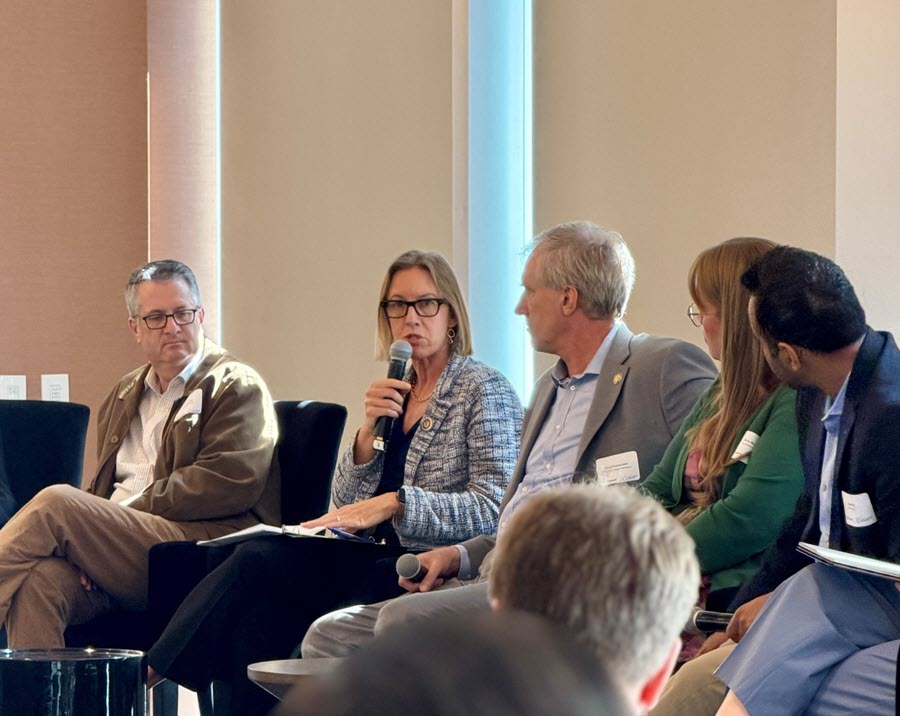
Here I am at Climate Week participating in a panel discussion entitled “California’s Climate Playbook: Strategic Deployment of Technology and Innovation.” We talked about California’s role as a policy laboratory and proving ground for innovative technologies and approaches that can accelerate progress toward the state’s climate targets.
Governor Signs Legislation to Restrict Nitrous Oxide‚ Boost Bottle Recycling Program
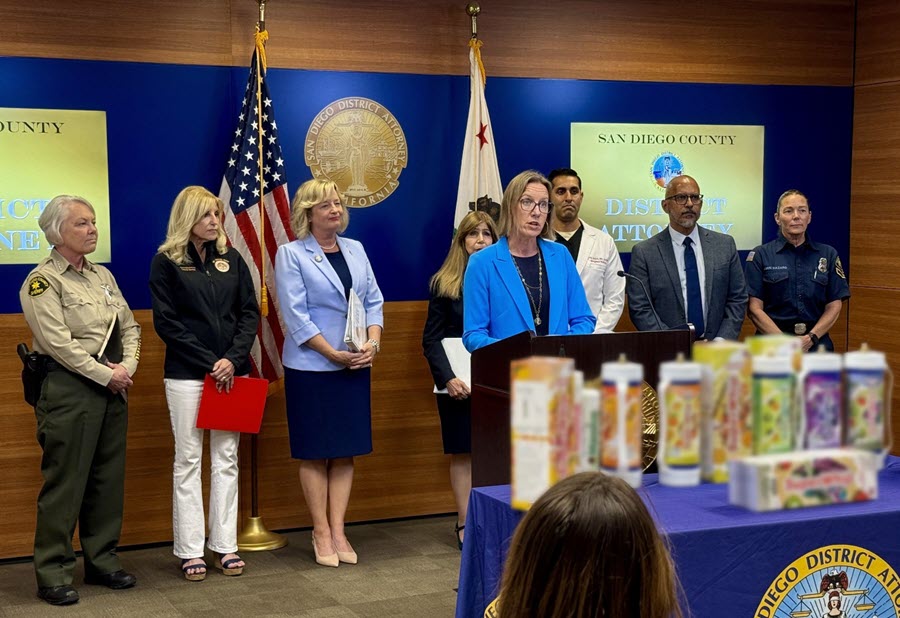
I joined (left to right) San Diego County Sheriff Kelly Martinez‚ Assemblymember Laurie Davies‚ Orange County Supervisor Katrina Foley‚ San Diego County District Attorney Summer Stephan‚ ER doctor Vik Gulati‚ OCFA Battalion Chief Ray McQueen and OCFA Paramedic Firefighter Dawn Hazard at a press conference this summer to highlight the dangers of nitrous oxide. In front of us on the table are large canisters of nitrous oxide often purchased by teenagers or young adults to get high.
I am glad to report that the Governor has signed two of my bills‚ SB 936 and SB 955.
SB 936 prevents the widespread abuse of nitrous oxide as a recreational drug by limiting its sale. In particular‚ the bill prohibits the sale of nitrous oxide canisters larger than 8 grams‚ with exceptions for legitimate uses in the medical‚ dental‚ culinary and automotive industries. It takes effect on Jan. 1‚ 2027. To learn more‚ go here.
SB 955 updates California’s beverage recycling program and requirements of stores to participate to eliminate areas known as recycling “dead zones” where consumers have few or no options for returning cans and bottles and collecting the California Redemption Value (CRV) for them. The legislation‚ which takes effect on Jan. 1‚ 2027‚ creates more locations for recyclable beverage containers. To learn more‚ go here.
Unfortunately‚ the Governor also vetoed one of my bills‚ SB 954‚ to rein in overly broad CEQA exemptions enacted last year. Here’s my statement about the veto. And here’s an article by CalMatters about it.
The Governor has until Wednesday (Sept. 30) to decide whether to sign or veto the bills the Legislature sent to him. He still has hundreds to decide on. I’ll update you on his final decisions in the next newsletter.
Appreciating Camp Pendleton by Air

I am proud to represent U.S. Marine Corps Base Camp Pendleton‚ which is fully within Senate District 38. I had the honor recently to be hosted by Col. Christine M. Houser‚ the Marine Corps Air Station Commanding Officer‚ and Col. Kwabena K. Gyimah‚ Deputy Commander‚ Headquarters and Support Battalion‚ Marine Corps Installations‑West.
They took me on an aerial tour of the base aboard a UH‑1Y Venom‚ or “Yankee‚” helicopter. The screenshots above are from a video of the tour I posted on my Instagram page.
I am profoundly grateful for the hard work and dedication of our military servicemen and servicewomen. I was impressed from the air with the size of the base and its sophistication‚ with a wide variety of combat villages in different landscapes and settings that help Marines train and prepare for any scenario.
Much thanks to Cols. Houser and Gyimah for hosting me and helping me better understand the scale and importance of what Camp Pendleton does.
Understanding Bio Sciences
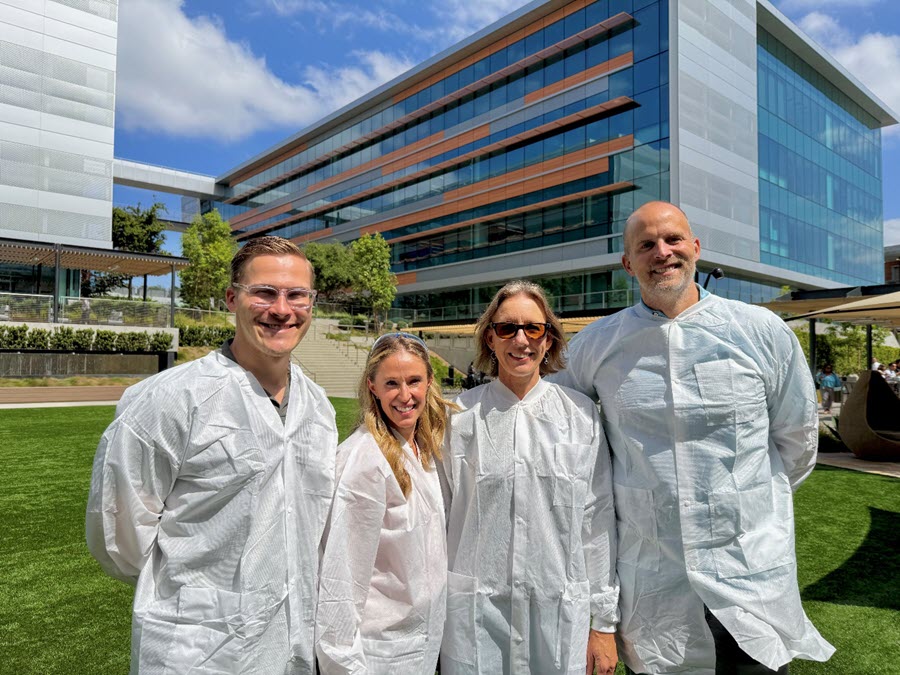
Here I am with Neurocrine Biosciences officials during my tour of their facilities. Left to right are Vincent Luczak‚ Senior Scientist; Margo Parks‚ Director of Government Relations‚ West; and Matt Abernathy‚ Chief Financial Officer.
Since the founding of notable research institutions in San Diego‚ including UC San Diego and the Salk Institute‚ San Diego’s life science and biotechnology sector has flourished‚ generating regional economic growth and life‑saving discoveries.
San Diego is considered one of the nation’s three major hubs for biotech‚ and a key player in the sector is Neurocrine Biosciences. The company specializes in developing treatments for rare and debilitating neurological‚ neuroendocrine and neuropsychiatric diseases. It identifies drug targets and novel therapies in pursuit of advancing treatments to fulfill under‑addressed medical needs.
One of the company’s most notable successes was developing a treatment for congenital adrenal hyperplasia‚ a rare‚ genetic‚ lifelong and life‑threatening disorder caused by an enzyme deficiency. The treatment compound‚ crinecerfont‚ was approved by the FDA in 2024‚ bringing innovation to a patient community that has not seen advancements in care in more than 70 years.
I was delighted recently to take a tour of the Neurocrine Biosciences facility in San Diego and get a better understanding of its intensive operations to develop life‑saving therapies and drugs. This helps me in my work as Vice Chair of the Legislature’s Rare Disease Caucus.
Thanks for all you do!
Discussing Legislation with the Laguna Hills Chamber
|
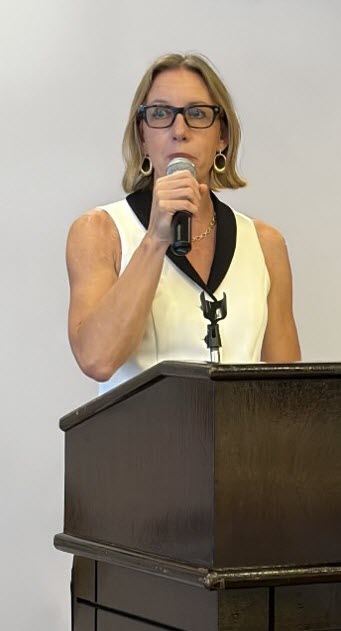
I enjoyed recently talking with the Laguna Hills Chamber of Commerce (left) about my legislation and answering their questions about pressing state and local issues.
In Laguna Hills‚ just like in the rest of California‚ people worry about many things‚ including retail crime‚ e‑bike safety and protecting patient care. I was glad to talk to the chamber about some of my efforts in these areas.
I’ve worked hard to support Proposition 36‚ the measure overwhelmingly passed by the state’s voters in 2024 to crack down on retail theft and mandate drug and alcohol treatment for those caught stealing who need it. I have fought to add funding to the state budget for the past two years‚ to ensure local agencies aren’t left underwriting the entire cost of this.
I have also pushed legislation to strengthen consumer protections around how electric bicycles are marketed and sold. SB 1167 would ensure that consumers know if they are buying an e‑bike or something else that goes much faster and carries greater risk. Learn more about SB 1167 here.
And I authored legislation to require the state to assign complaints about drug and alcohol treatment facilities‚ often called sober living homes‚ to staff within 10 days of receiving them and complete an investigation within 120 days. A state audit released in October 2024 found that the state took more than a year to complete 22 of 60 investigations it reviewed.
SB 329 is crucial for protecting residents of sober living homes‚ and the communities surrounding them. California has over 2‚000 drug and alcohol treatment centers licensed with the Department of Health Care Services‚ with many located in Orange and San Diego counties. Orange County has more beds for small treatment facilities per 10‚000 residents than any other California county. Learn more about SB 329 here.
Both SB 1167 and SB 329 are on the Governor’s desk‚ and I’m hopeful he will sign them into law.
Don’t Miss My Ending Homelessness Summit!
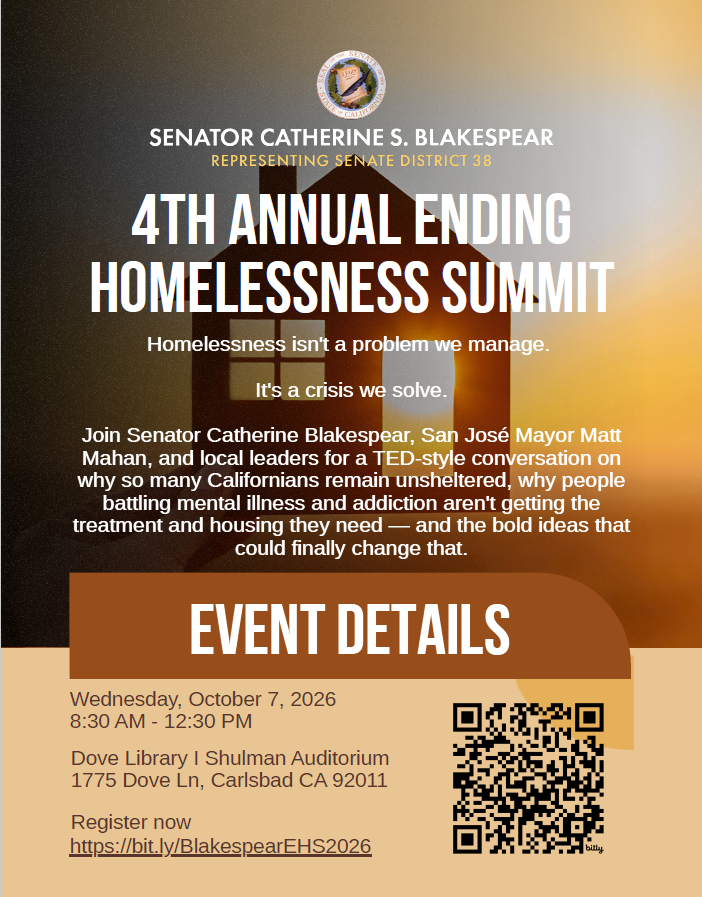
Date: Wednesday‚ October 7‚ 2026
Time: 8:30am – 12:30pm
Location: Schulman Auditorium‚ Dove Library ‑ 1775 Dove Ln‚ Carlsbad‚ CA 92011
We step over people suffering on our sidewalks and call it normal. It isn’t — and it doesn’t have to be.
California has spent billions fighting homelessness. Thousands of people are still living on our streets‚ and too many are struggling with serious mental illness or addiction with no path to the treatment‚ support‚ or housing they desperately need. Something isn’t working. It’s time to rethink it.
I hope you’ll join me‚ San José Mayor Matt Mahan‚ leading experts and local service providers for insights on what’s working and what isn’t. This isn’t another conversation about the scale of the crisis — it’s about what has to change for this crisis to be solved.
Seating is limited so REGISTER TODAY. If you have any questions‚ please call my Carlsbad district office at (760) 438‑2005.
Learn More About Wildfire Preparation and Fire Insurance Options in a Webinar

To sign up to attend this webinar‚ REGISTER HERE.
Thank you for your support. I am honored to serve you.
In partnership‚