Regulating AI, Other News from Sen. Blakespear
Greetings!
The end of the Legislative session is always unpredictable. This year‚ a wildfire reform package didn’t move forward at the last minute. And we ended up blowing through the constitutional deadline of the last day of August and voting on last‑minute items on September 1‚ based on urgency clauses.
As usual‚ it was a whirlwind‚ with the cognitive load being at the highest level imaginable. It’s exhilarating and impactful‚ and I feel deeply grateful to be in a position to serve the collective public good.
With this year’s legislative session now complete‚ the next opportunity for bills to be introduced is January. It will be clear whether the Governor signs or vetoes bills by the end of September. The current custom is that the Legislature doesn’t attempt to override vetoes‚ so whatever the Governor decides to do will stand. I have my fingers crossed for the 17 bills of mine that are on the Governor’s desk.
One of the biggest issues we’re grappling with in Sacramento is the role of AI in our society. So much of policymaking comes down to what we think is fair and just. The growing power and presence of artificial intelligence has complicated this question.
I agree with the author of this essay‚ published in the New York Times‚ that we need to focus on the immediate. What safeguards should be required to rein in the imminent harms or consequences of AI? We can’t allow an exaggerated grimness about a cataclysmic future dominate the discussion. The excess resource consumption of data centers‚ specifically of electricity‚ water and land‚ is one key area that needs focus. Another is the role of AI in our workforce.
In the Legislature this year‚ we passed AB 2575 to establish guardrails for AI‑powered clinical decisions to keep humans in charge of health care. Other significant bills included SB 903 to prohibit AI algorithms from providing or advertising mental health therapy and SB 867 to prohibit the sale and manufacture of children’s toys that incorporate AI companion chatbots.
And this week‚ the Governor signed SB 813 and AB 1405. SB 813 establishes a framework for independent verification organizations that can assess AI systems and models for compliance with state law‚ and AB 1405 creates a state registry for AI auditors and establishes standards for their independence and integrity.
I was disappointed‚ however‚ that the Legislature failed to pass AB 2564 to ban the practice of surveillance pricing‚ where companies use AI to perfect individual pricing based on your personal profile. It seems patently unfair that instead of charging a transparent price for an item‚ like an airline ticket‚ or changing prices based on aggregate supply and demand‚ companies use algorithms to guess the maximum price you are willing to pay‚ based on your personal data and online behavior. Some version of this bill‚ which was authored by my San Diego colleague Assemblymember Chris Ward‚ deserves to be passed by the Legislature next year to protect consumers.
If you are interested in AI as a topic and want to learn more‚ I encourage you to join my Zoom book club this month. We will be discussing the book Empire of AI: Dreams and Nightmares in Sam Altman’s OpenAI by Karen Hao on Sept. 19. Go here to learn more.
Finally‚ two other bills I’d like to highlight don’t involve AI. I was proud to co‑author AB 1448‚ to put greater restrictions on offshore oil drilling‚ and to support AB 2604‚ which will speed up vote counting in California.
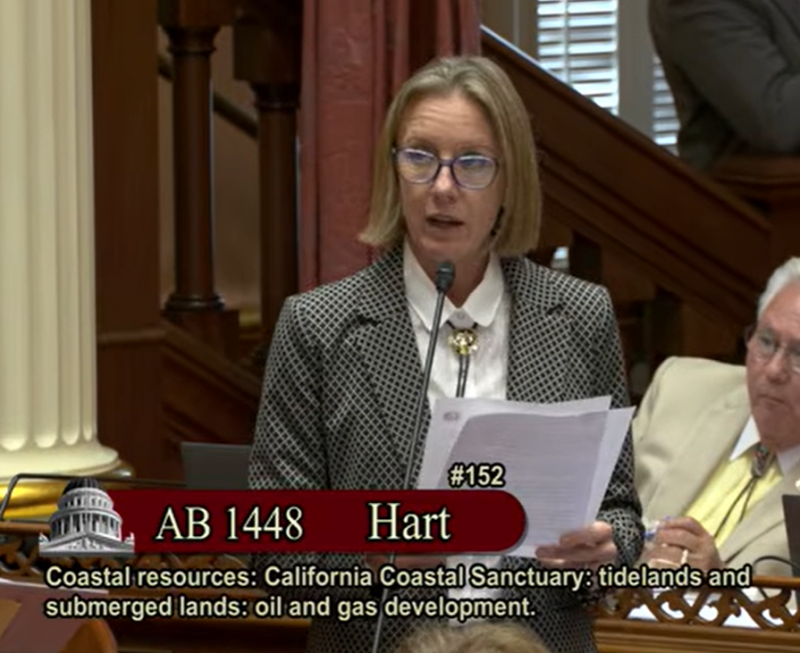
You can watch my floor speech on AB 2564 (left)‚ to ban surveillance pricing‚ here and on AB 1448 (right)‚ to create stronger regulations on offshore oil drilling‚ here.
Bills to Restrict Nitrous Oxide Sales‚ Rein in CEQA Exemptions Sent to Governor

Here’s a picture of strip mining near Mount Diablo in Northern California. SB 131‚ passed last year‚ provided blanket exemptions to CEQA for nearly every type of manufacturing‚ including practices such as strip mining that are damaging to the environment. My SB 954 would change that.
I authored 23 bills that I worked to pass this year‚ and I am proud to say 17 have made it to the Governor’s desk. Gov. Gavin Newsom has until Sept. 30 to decide whether to sign the bills. I’ll update you on what happens in future newsletters. Here’s a summary of each bill I sent him.
Protecting the Environment‚ Wildlife and Recycling
- SB 954 would add clear environmental guardrails to the CEQA exemption for advanced manufacturing‚ strengthen protections for habitat of protected species and fix the CEQA exemption for residential daycare facilities. In addition‚ SB 954 would exclude fuel and material extraction industries from receiving the advanced manufacturing exemption.
- SB 1135 would re‑establish a statewide wildlife coexistence program that ended in 2024 after three years when funding for it expired. Wildlife coexistence programs educate and support community and property owner efforts to reduce and remove attractants like trash and food. The programs help people keep a safe distance‚ implement methods proven to actively deter conflicts and promote wild animals’ instincts to stay wild.
- SB 955 would update California’s beverage recycling program and requirements of stores to participate to eliminate areas known as recycling “dead zones” where consumers have few or no options for returning cans and bottles and collecting the California Redemption Value (CRV) for them.
- SB 633 would require beverage container manufacturers to verify and report the amount of the recycled plastic they use‚ via third‑party certification‚ from the plastic reclaimers they purchase from.
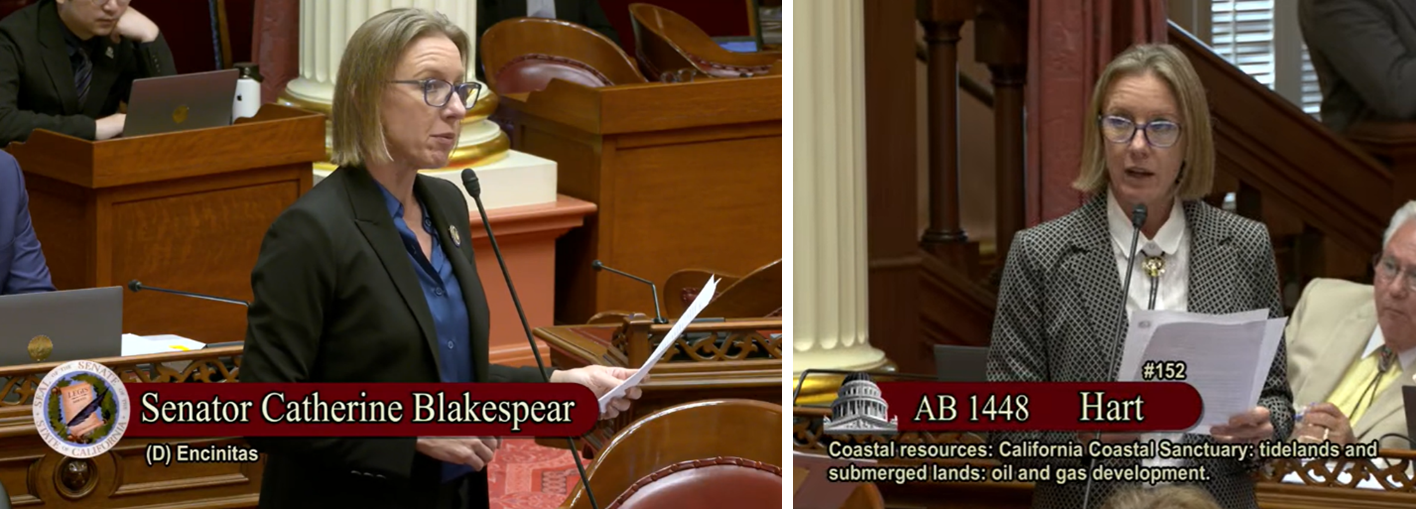
My visit to the Tijuana River’s foul‑smelling‚ heavily polluted “hot spot” at Saturn Boulevard in Imperial Beach‚ and the legislative hearing on the problem where we heard from workers required by their employment to spend hours a day in the pollution‚ led to the creation of my bill‚ SB 1046.
Protecting Public Safety and Workers
- SB 1046 would direct a state agency to set safety standards for lifeguards and park rangers exposed to hazardous pollution in the Tijuana River Valley.
- SB 936 would prohibit the sale of nitrous oxide canisters larger than 8 grams to reduce the widespread abuse of nitrous oxide as a recreational drug. There are exceptions for legitimate uses.
- SB 329 would require a state agency to assign complaints about drug and alcohol treatment facilities (known as sober living homes) to staff within 10 days of receiving them and complete an investigation within 120 days. This follows a state audit that found the department could take over a year to investigate complaints.
- SB 99 would improve coordination among military and civil authorities to protect against domestic violence in families with military personnel.
- SB 989 would improve access to CARE Court by authorizing first responders to request counties to review and file CARE Court petitions on their behalf‚ rather than requiring them to file directly with the court‚ which can be time‑consuming and complicated.
- SB 561 would improve accountability and communication in the public guardian referral process for probate conservatorships so vulnerable adults who lack decision‑making capacity are not left waiting without a clear path to care.
- SB 16 would improve access to clinician‑led behavioral health crisis care by ensuring that training and designation pathways for mental health clinicians to initiate 5150 involuntary holds are available across the state.
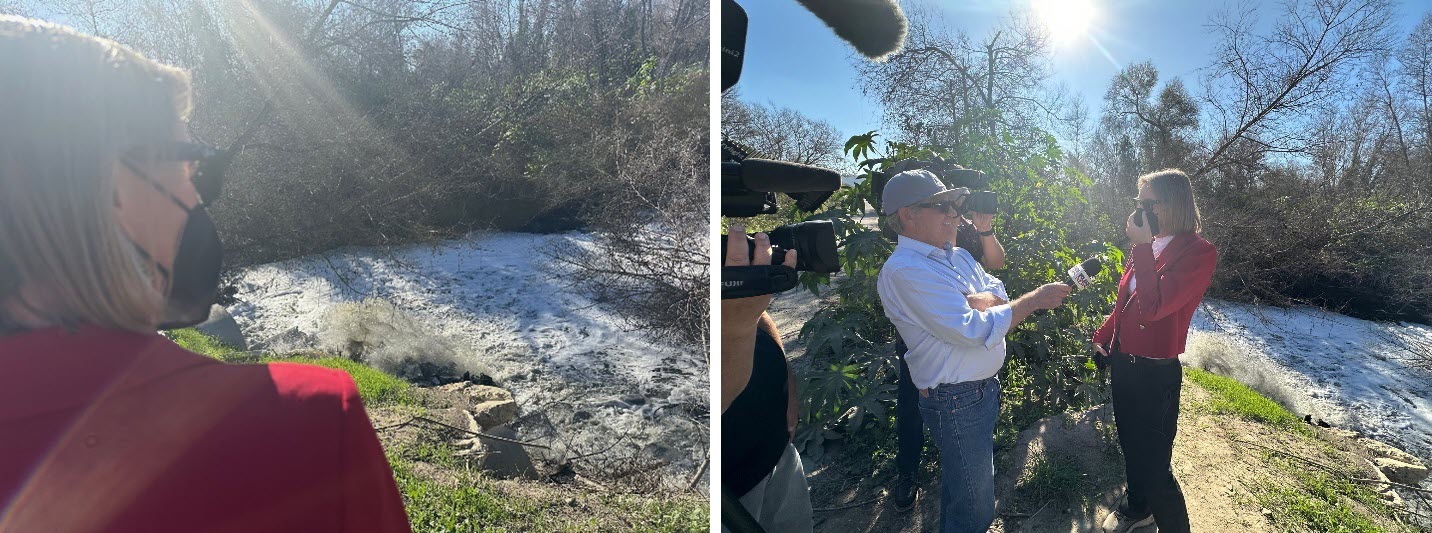
Consumers have many choices when it comes to e‑bikes and e‑motos‚ including those in this picture from the Mineta Transportation Institute. Distinguishing between the different types can be confusing‚ resulting in dangerous outcomes. That’s why I authored SB 1167. You can learn more about the differences and the safety data in this report from the Mineta Institute.
E‑bikes
- SB 1167 would clarify what an electric bicycle is and is NOT. It would require sellers of faster and/or more powerful two‑wheeled electric vehicles to inform consumers that they don’t meet the definition of an e‑bike and therefore require vehicle registrations and licenses to operate. Every e‑bike sold in the state would be required to have a label on its frames facing skyward‚ so it is easy to see and read‚ identifying what class of e‑bike it is and the maximum speed it can go.
End‑of‑Life Care
- SB 1088 would improve clarity and consistency among the three types of forms that can be used to legally document the type of care and medical treatment a person wants should they become seriously ill or injured and unable to articulate their wishes.
Teen Access to Libraries
- SB 965 would prohibit libraries from requiring that a parent or guardian for a 16‑ or 17‑year‑old be physically present in order for them to get a library card.

Improving Transportation
- SB 741 would modernize the state’s Low Carbon Transit Operations Program (LCTOP) to improve flexibility for funding and eliminate outdated reporting requirements. Since 2014‚ LCTOP has played a valuable role in boosting transit service across the state by funding programs like discounted transit passes for youth and students. In 2026‚ LCTOP provided $202 million to 143 local clean transportation projects in California.
- SB 1324‚ which has already been signed by the Governor‚ extends the statutory deadline for a state‑led working group to make recommendations to the Legislature on LOSSAN rail corridor reforms from Feb. 1‚ 2026‚ to Feb. 1‚ 2027.
Improving Gender Equity
- SB 1237 would strengthen enforcement of California’s pay equity reporting law to ensure the Civil Rights Department (CRD) can effectively combat wage discrimination.
If you have questions about any of these bills‚ please email me at Senator.Blakespear@Senate.ca.gov‚ or call my Carlsbad district office at (760) 438‑2005‚ my Laguna Hills district office at (949) 598‑5850 or my Capitol office in Sacramento at (916) 651‑4038.
Goat Herding Protected with Budget Measure
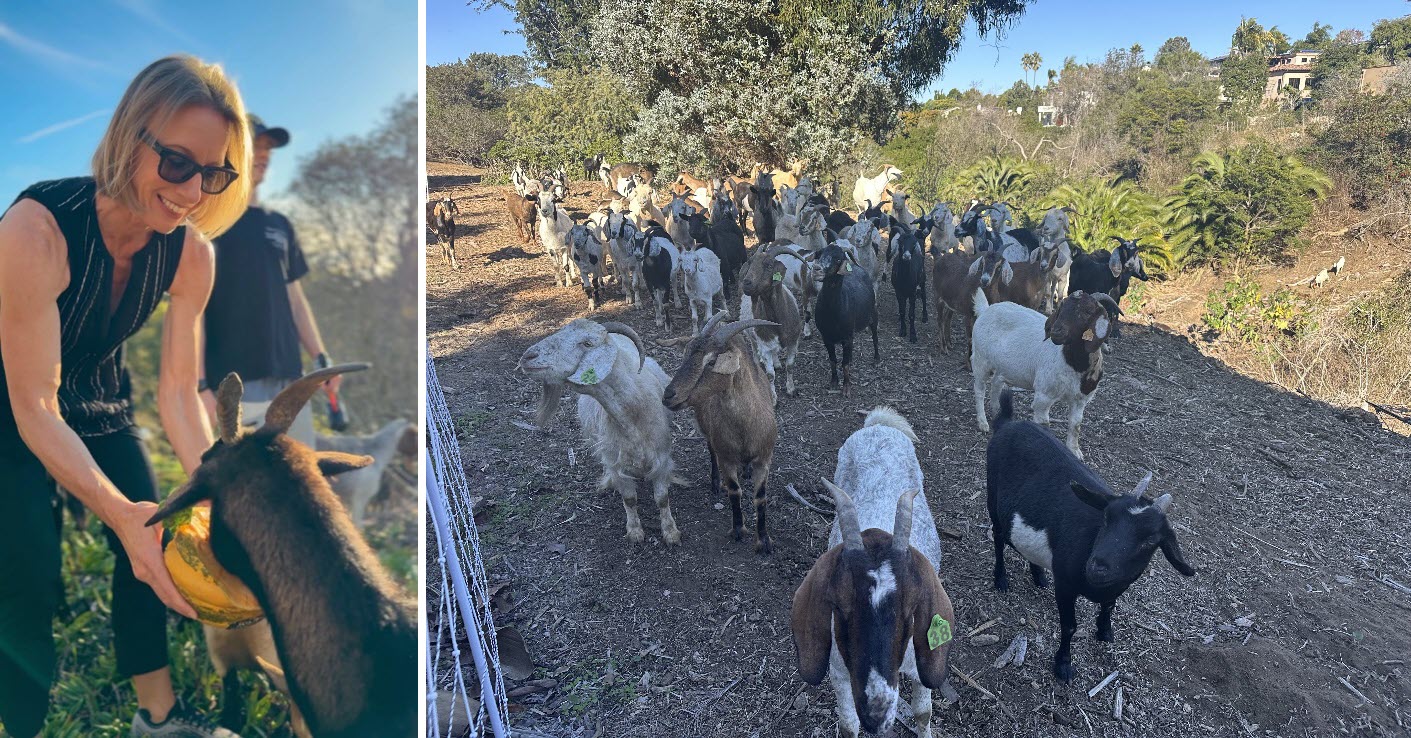
I have personally been involved with using goats to help clear away plant material to reduce the risk of wildfire‚ and they are incredible munchers of overgrown brush. Here I am feeding one of the goats a pumpkin last fall.
Goat herding as a wildfire mitigation tool in California has been saved‚ for now. A recent law change reclassified goat herder wages to an annual salary higher than what the Governor earns — more than $250‚000 a year — and if left unchanged‚ threatened to end the industry in California. Professional herders said they would either have to leave the state or slaughter of their herds.
Along with other legislators‚ including Sen. Hurtado‚ I fought to add language to this year’s state budget to put this reclassification on hold for another two years and continue to treat them‚ and pay them‚ the same way sheep herders are compensated.
This industry is important to California’s economy and especially important to reduce the risk of wildfires by removing vegetation that is potential fuel for fire in and around rural and suburban communities. It’s not equivalent to hire hand crews to do the work‚ as people aren’t able to nimbly manage the many steep slopes and the environmental conditions the way goats are. It’s essential that the goat herding industry can continue to thrive.
The Legislature needs to revisit this issue and come up with a long‑term solution.
Fighting for More Transparency from Oil Refineries
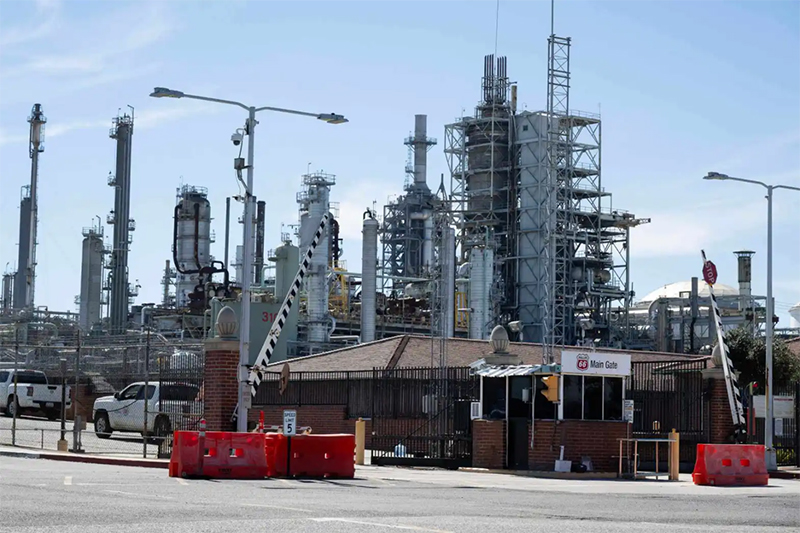
The Phillips 66 refinery in Los Angeles‚ which recently closed.
I was disappointed I could not pass legislation I authored (SB 1259) to require oil refineries to follow similar disclosure requirements about the cost of cleaning up their facilities as other sectors of the energy industry already do. We need to be smart and thoughtful about how we transition to clean energy and to require refineries to disclose basic information. Here’s an op‑ed I wrote that appeared in the San Diego Union‑Tribune about why we should require refineries to estimate the costs of closing and cleaning up their facilities‚ even if they do not plan to close any time soon. This bill did not make it through the Assembly‚ unfortunately‚ and so it is dead for this year.
Meeting New Leadership at the San Diego Botanical Garden
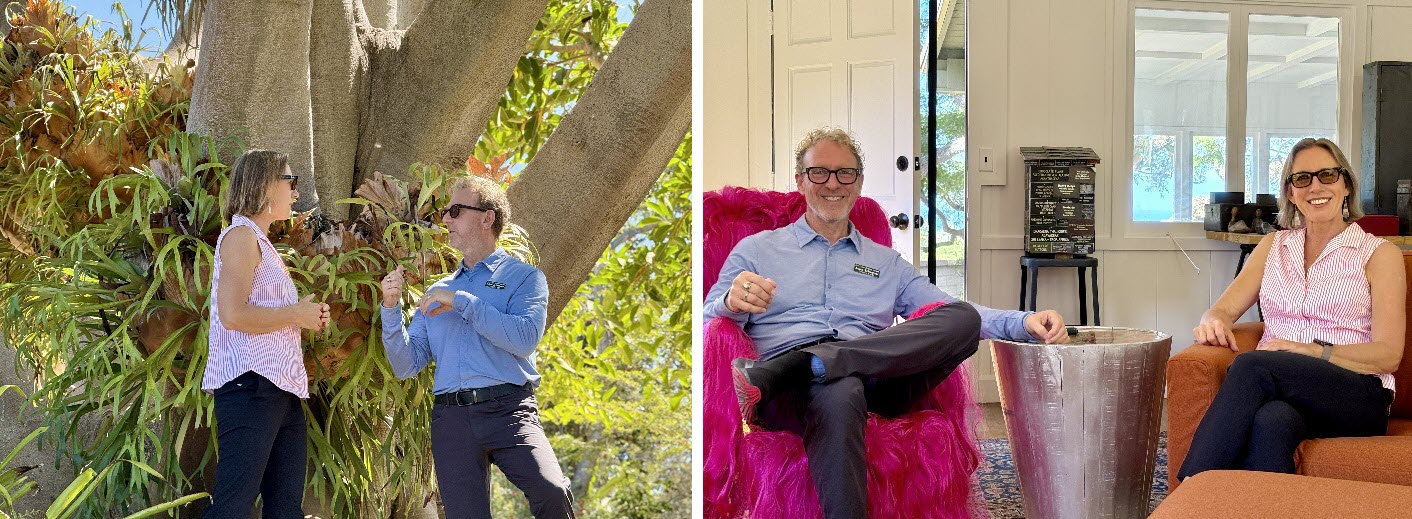
I enjoyed touring the San Diego Botanical Garden in Encinitas and chatting with Adam Schwerner (photos above)‚ the garden’s new President and CEO. I love his energy and the background he brings to this local 37‑acre gem that includes 4 miles of trails and ocean views and over 5‚000 plant species and varieties. Schwerner previously worked at Disneyland‚ and I am confident he will find ways to capitalize on his Disney know‑how to bring more visitors and fun activities to the 55‑year‑old botanical garden.
Supporting Expansion of San Dieguito Heritage Museum
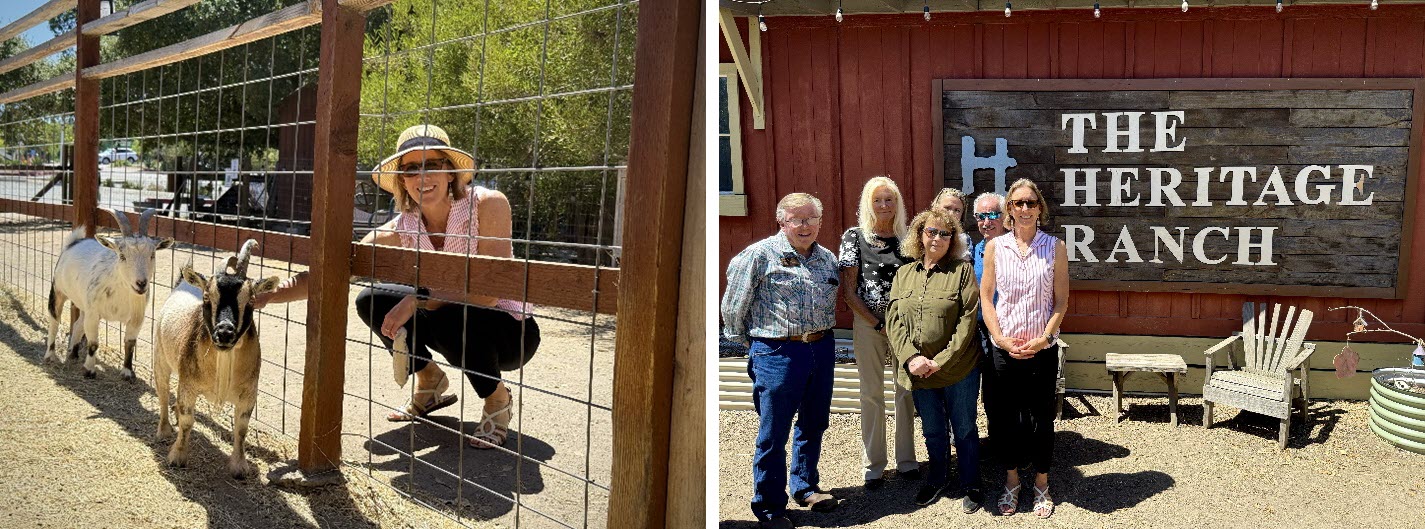
Much thanks to the members of the San Dieguito Heritage Museum Board (photo on right) for giving me a tour of their facilities (including farm animals!) and explaining their plans for fully restoring the Historic Dunham Cottage at the Heritage Ranch. It will include an expanded outdoor space that can be used for community events. This is a great idea that will help bring more people to the museum.
Remembering and Honoring 9/11
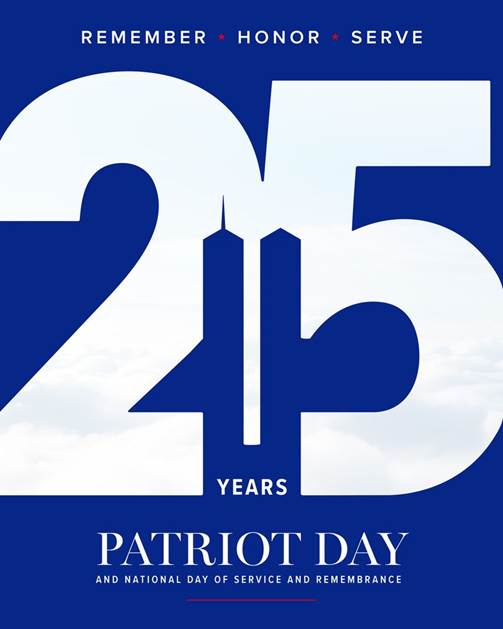
It’s the 25th anniversary of the horrible 9/11 terrorist attacks that killed thousands of Americans‚ with more than 2‚600 perishing at the World Trade Center buildings. I vividly remember that day‚ and I’m sure you do‚ too. We should take a moment today to remember the victims‚ and the brave men and women who responded and tried to rescue them. The nation was forever changed.
I found this reflection to be particularly moving. “On Sept. 11‚ 2001‚” Bret Stephens writes‚ “the forces of death paid a visit to Lower Manhattan and extracted their awful irreparable price. Twenty‑five years on‚ what’s clear‚ most of all to those of us who saw both sides of that date‚ is that the forces of life proved much stronger.”
Thank you for your support. I am honored to serve you.
In partnership‚