Greetings!
You probably read or heard about sexual assault allegations recently made about legendary civil rights and farmworkers leader Cesar Chavez.
After an extensive investigation‚ the New York Times reported that Chavez sexually abused several women when they were teenage girls‚ as well as the cofounder of the farm worker labor movement‚ Dolores Huerta. This was shocking and heartbreaking.
I am inspired by the courage shown by women to come forward and set the record straight.
The labor movement is rooted in the belief that every worker deserves dignity‚ fairness and a voice – and those principles include the right to be safe from harassment‚ abuse and sexual violence.
Again‚ we are reminded that for far too long‚ men in positions of power have had sexual access to women without their consent. Women were expected to accept it and were vilified and ostracized if they rejected it or reported it.
Dolores Huerta said in her public statement issued last week‚ "I am nearly 96 years old‚ and for the last 60 years have kept a secret because I believed that exposing the truth would hurt the farmworker movement that I have spent my entire life fighting for." Along with so many others‚ I stand with Huerta and all victims‚ and urge a redoubling of our collective commitment to eliminate sexual coercion and assault from not just the workplace but all parts of our society.
This week‚ the Legislature passed legislation (AB 2156) to rename the Cesar Chavez Day state holiday Farmworkers Day.
Balancing CEQA Reform with Needed Protections

Strip mining near Mount Diablo in Northern California.
I have introduced legislation to balance reforms made to the California Environmental Quality Act (CEQA) last year with needed protections for the environment‚ workers and endangered species.
The bill‚ SB 954‚ includes measures called for by a dozen Senators and 20 Assemblymembers in response to SB 131‚ legislation passed and signed into law that provides a CEQA exemption for nearly all manufacturing facilities‚ among other changes. A new poll indicates that 64 percent of Californians disapprove of the advanced manufacturing exemption.
Refining and reforming CEQA is important so that it works the way we want it to for modern California‚ but we must be thoughtful about it. SB 954 ensures that when new industrial facilities are built‚ that the environment‚ workers and the communities living next door are protected as they should be.
SB 131 made numerous changes to CEQA‚ most notably for advanced manufacturing. But the definition for advanced manufacturing encompasses a wide range of heavy industrial uses – such as chemical‚ plastic and pesticide manufacturing as well as strip mining – that have historically been subject to CEQA given their significant impacts on the environment and public health.
I joined more than 30 legislators who objected to SB 131’s overly broad exemption for industries and last year signed a letter asking for cleanup legislation to correct this overreach. SB 954 makes good on that promise.
SB 954 adds clear environmental guardrails to the CEQA exemption for advanced manufacturing‚ strengthens protections for habitat of protected species and fixes CEQA exemptions for residential daycare facilities. This bill specifies the intent of the Legislature to further narrow the definition of advanced manufacturing‚ allowing room for stakeholders and the Legislature to discuss‚ and decide on‚ what is appropriate.
To see all the support for the bill‚ go here.
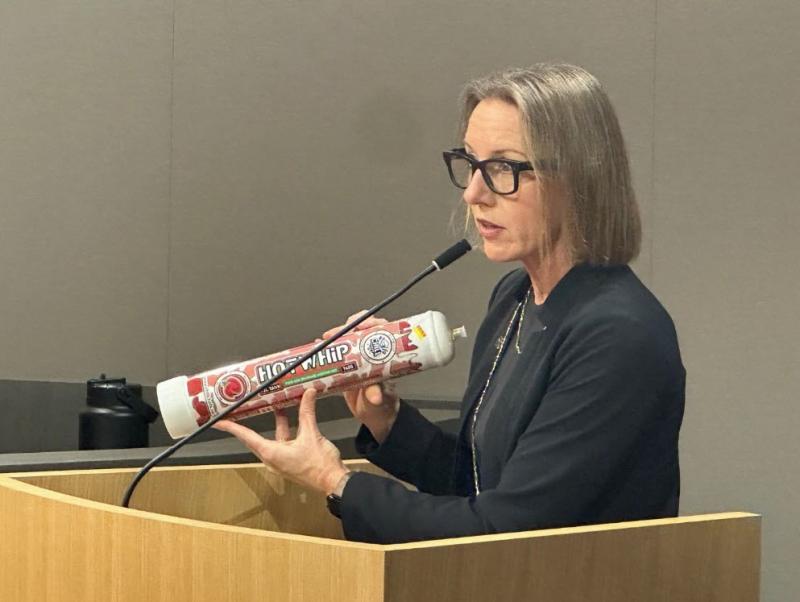
In other legislative news‚ the Senate Public Safety Committee passed SB 936‚ my legislation aimed at preventing the widespread abuse of nitrous oxide as a recreational drug by limiting its sale to specific uses in certain industries. Read more here.
During the Senate Public Safety Committee hearing (above)‚ I displayed a large canister of nitrous oxide. SB 936 would prohibit the retail sale of such large canisters‚ except for legitimate uses‚ such as in the culinary or medical industries.
Understanding Changes in Health Care
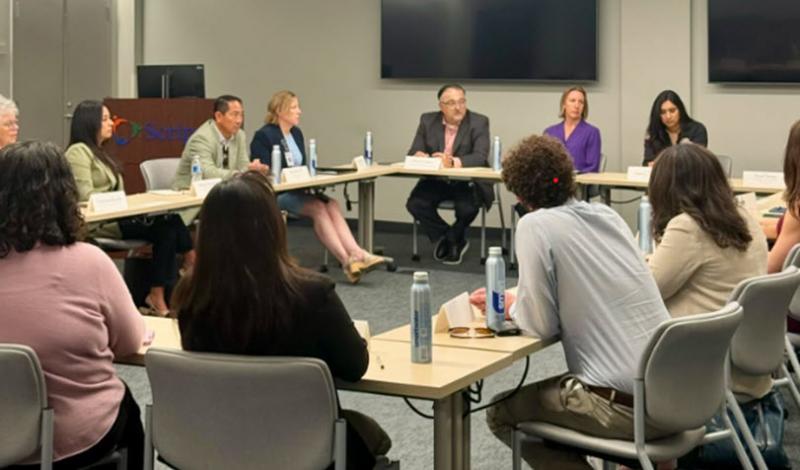
I met with hospital and health care officials at Scripps Memorial Hospital Encinitas.
I convened a Healthcare Roundtable and was honored to have the Appropriations Chair‚ Sen. Sabrina Cervantes‚ join me. We met with hospital and health care officials from across San Diego and statewide organizations to better understand the rapid changes taking place in the health care industry.
After the passage of H.R. 1 last summer‚ experts estimate that between 2 and 3.4 million Californians will lose health care coverage due to the cuts and eligibility changes contained in the bill. This will ripple throughout the health care system.
These federal funding cuts hit at a time when California hospitals are facing massive costs to meet the state‑imposed deadline of January 1‚ 2030‚ for all acute care buildings to be "fully operational" after an earthquake. I have supported pushing that deadline out to 2038‚ to help ease the fiscal pain‚ but the deadline presently remains in place.
The California Hospital Association estimates hospitals stand to lose between $66 billion and $128 billion in revenue over the next decade‚ and as many as half could go bankrupt.
We can’t allow this to happen. That’s why I’ll continue to look for ways to expand health care coverage in California and counter federal cuts.
Making Sure People Know the Difference Between E‑Bikes and E‑Motos
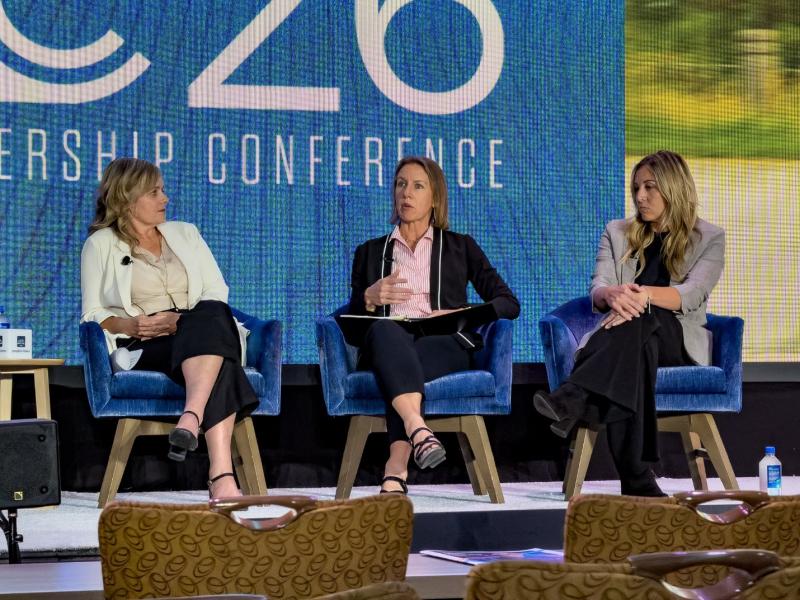
I participated in a panel discussion with Tarrell Kullaway (far left)‚ Major of San Anselmo‚ and Christy LaCurelle (far right)‚ President and CEO of the Motorcycle Industry Council and Motorcycle Safety Foundation. [Photo courtesy of PeopleForBikes.]
I enjoyed speaking at the annual Bicycle Leadership Conference in Orange County‚ organized by PeopleForBikes‚ and discussing my legislation to address misrepresentation in the e‑bike marketplace and strengthen consumer protections around how electric bicycles are marketed and sold.
SB 1167 expressly states that misrepresenting faster electric vehicles as e‑bikes is false advertising that can be prosecuted. In addition‚ sellers of faster or more powerful bicycles would be required to inform consumers that they don’t meet the definition of an e‑bike and therefore require vehicle registrations and licenses to operate.
The bill would require every e‑bike sold in the state to have a label on its frames facing skyward‚ so it is easy to see and read‚ identifying what class of e‑bike it is and the maximum speed it can go.
The conference brought together industry leaders‚ policymakers and safety experts to clarify the distinction between e‑bikes and e‑motos‚ examine how mislabeling negatively affects public trust and policy‚ and discuss strategies to protect access for legitimate e‑bike riders and the e‑bike market while advancing smarter‚ safer regulation.
Working to Improve the Business Climate
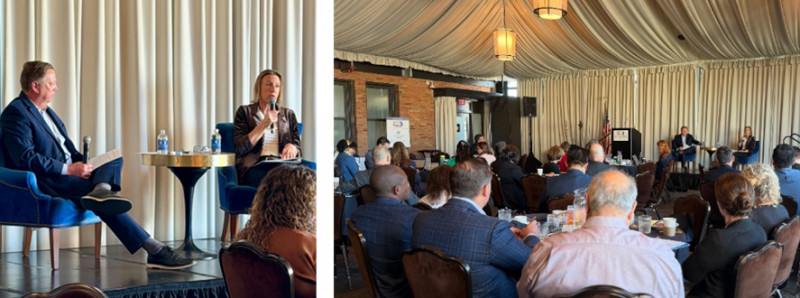
I was glad to talk with the Orange County Business Council during its recent trip to the state Capitol in Sacramento. I joined Darrell Johnson (top left photo)‚ CEO of OCTA‚ for a "fireside chat" to discuss key issues affecting economic growth‚ the environment‚ public transportation and implementation of Proposition 36.
I’ve fought hard to ensure Prop 36 is fully funded‚ improve train service along the LOSSAN rail corridor and get CEQA reform right. The participants had great questions!
The fiscal cliff is real for transit — and it’s time to act!
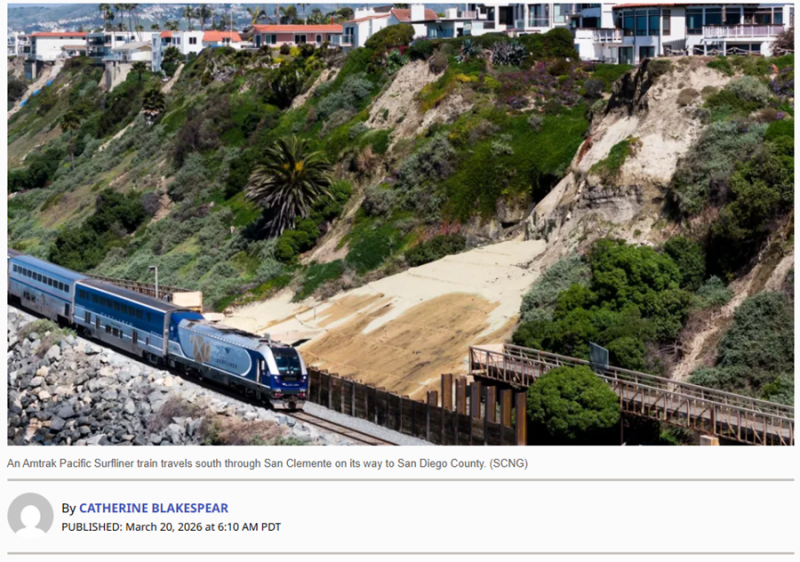
I recently authored an op‑ed in the San Diego Union‑Tribune calling for quicker and greater action from policymakers on public transportation.
Across the state‚ transit agencies are warning that they are only months away from insolvency. Under nearly every scenario‚ that means higher fares for riders‚ reduced service and the closure of stations or entire lines. Travel options will shrink dramatically unless urgent action is taken.
California must create a sustainable‚ resilient transportation future. We cannot allow public transit to wither. That’s why I am calling on lawmakers to move this priority to the top of the list this year.
Woman of the Year – Caroline Matthews
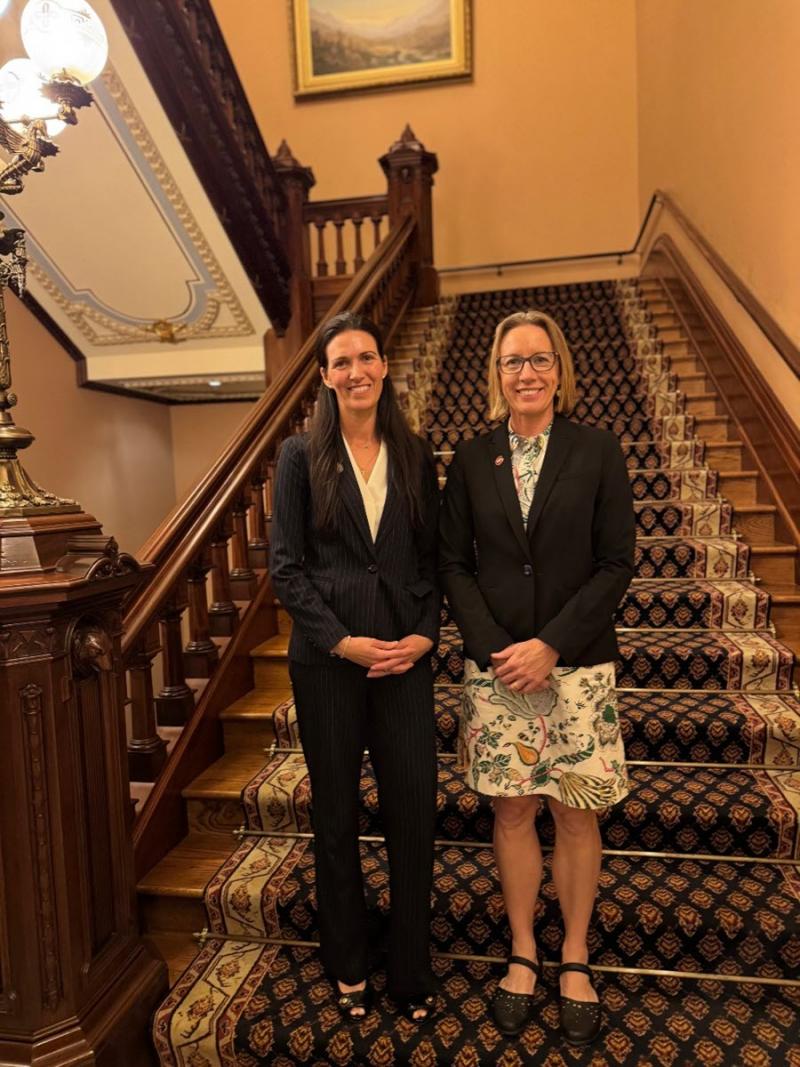
I honored Caroline Matthews (left)‚ as Senate District 38 Woman of the Year‚ at a ceremony on the Senate floor.
I was excited to highlight many women for their leadership and contributions to their communities as part of Women’s History Month. I did this through my "Women Who Inspire" recognition program‚ and by selecting a Woman of the Year.
In a special Senate ceremony‚ I honored Caroline Matthews‚ a resident of Solana Beach who serves as the supervising attorney at Pathways to Citizenship‚ which is an immigration law nonprofit dedicated to keeping families together and helping eligible immigrants move toward permanent status and citizenship.
Nowadays‚ hardworking immigrant families are fearful of our immigration system and often lack trust in others for help‚ but thanks to Caroline and people like her‚ they can get the support and guidance they need to understand the law‚ follow it and keep their families together.
Read more about Caroline‚ and see the entire list of Women Who Inspire honorees‚ here.
Nominate a Volunteer for Recognition Today

April is National Volunteer Month‚ so it’s time for Cheers for Volunteers‚ my program to recognize the many wonderful volunteers who help throughout Senate District 38.
Please take a moment to nominate a volunteer who stands out at your organization for their expertise‚ commitment‚ caring and/or longevity. No matter what their role‚ volunteers are indispensable and deserve our appreciation.
Nominees should reside or volunteer in Senate District 38‚ which covers northern San Diego County and southern Orange County. See the Senate District 38 map here.
During the month of April‚ I will thank each nominee with a personalized letter and certificate of appreciation. And‚ if your organization would like to present the letter and certificate to them‚ our office is happy to make arrangements to do so.
Please note: The deadline to submit a nomination is April 3.
Next Book Club Discussion is April 18
The next "Our California! Book Club" discussion will take place on Saturday‚ April 18 at 10 a.m. I hope you can join us.
My book club reads and discusses books that impact and reflect on the California experience – past‚ present‚ and future – and how it informs the work of the State Legislature.
Right now‚ we’re reading Paved Paradise: How Parking Explains the World by Henry Grabar. It offers a sharp and witty exploration of America’s obsession with parking‚ beginning with an anecdote about a proposed affordable housing project in Solana Beach that has not been built.
To sign up for the book club and join our next conversation‚ go here.
Thank you for your support. I am honored to serve you.
In partnership‚

CONTACT INFO
Email me at Senator.Blakespear@Senate.ca.gov
Call my Carlsbad district office at (760) 438-2005
Call my Laguna Hills district office at (949) 598-5850
Call my Capitol office in Sacramento at (916) 651-4038